Podcast: Play in new window | Download (Duration: 1:46:41 — 178.3MB)
Subscribe: Apple Podcasts | Spotify | RSS
In his return to the show, we discuss 1968 and the making of the “White Album” (mostly), as explored in his most recent work, The Beatles’ Recording Reference Manual Volume 4.
Joining us is another returning guest, recording artist/performer/producer Luther Russell (Those Pretty Wrongs, The Freewheelers, solo). Because we covered so much ground, I am presenting the conversation spread over two parts (the conclusion to follow later….)
Check out Jerry’s work here.


So an idea came up: who would SATB like to talk to in Beatle world and sit down for an interview? Qualifications: first, they have to be among the living (as of this taping); Second, they have to be completely honest and not fall back on deflection or “professional Beatle fan” chatter: stories they’ve entertained with for years that may or may not be factually accurate. Last, they have to be people on the inside who have either not told their stories at all or not told them to death.


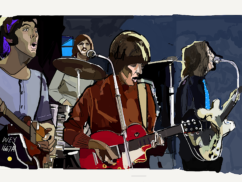
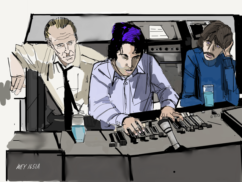
The January 1969 sessions at Twickenham and Apple Studio are The Beatles gift that keeps on giving. Thoroughly taped and filmed, it is a rich vein of material to analyze, especially as it has been chronicled in such a bad light by the group themselves, at odds with much of the evidence that has surfaced. SATB has examined the subject numerous times, notably with the two part Winter of Discontent episodes but also two additional episodes featuring 
The January 1969 sessions at Twickenham and Apple Studios are The Beatles gift that keeps on giving. Thoroughly taped and filmed, it is a rich vein of material to analyze, especially as it has been chronicled in such a bad light by the group themselves, at odds with much of the evidence that has surfaced. SATB has examined the subject numerous times, notably with the two part Winter of Discontent episodes but also two additional episodes featuring 
My guest today is best known in Beatles world for having published Nowhere Man (originally in 2000 but since revised in 2015), a book in part drawn from Rosen’s exclusive access to John Lennon’s diaries. He is also the author of the newly-published memoir, Bobby in Naziland, a telling of his coming of age in Flatbush during the late 50s and early 60s. Rosen’s work captures the essence of time and place, with an eye for detail and an ear for the rhythm; true for both of the aforementioned titles.