admin

314: Anthology 4 and The Beatles’ SDEs – A Critique

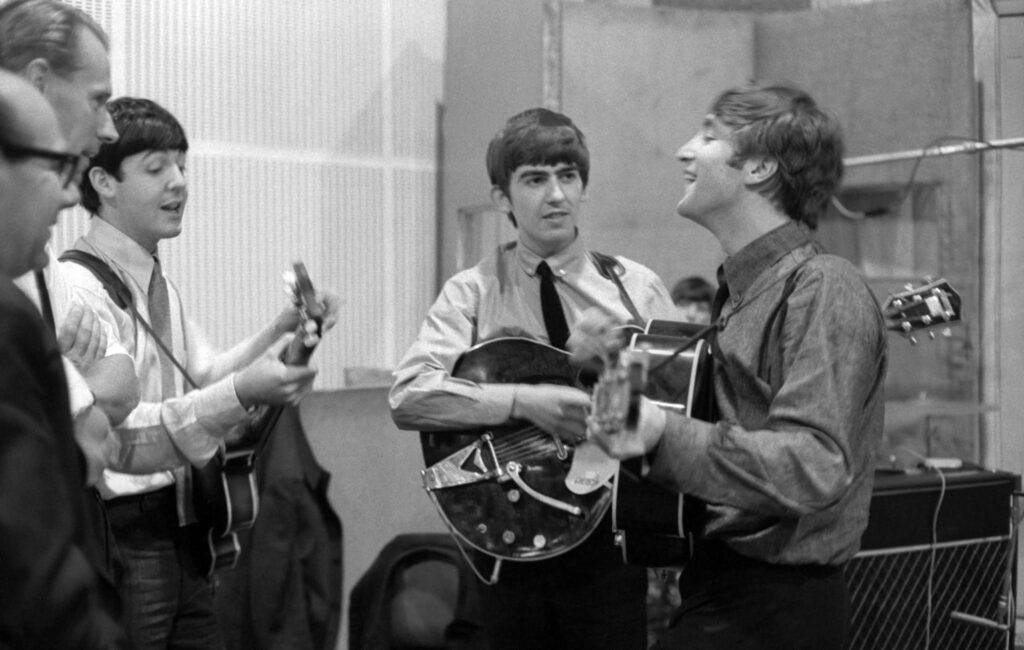
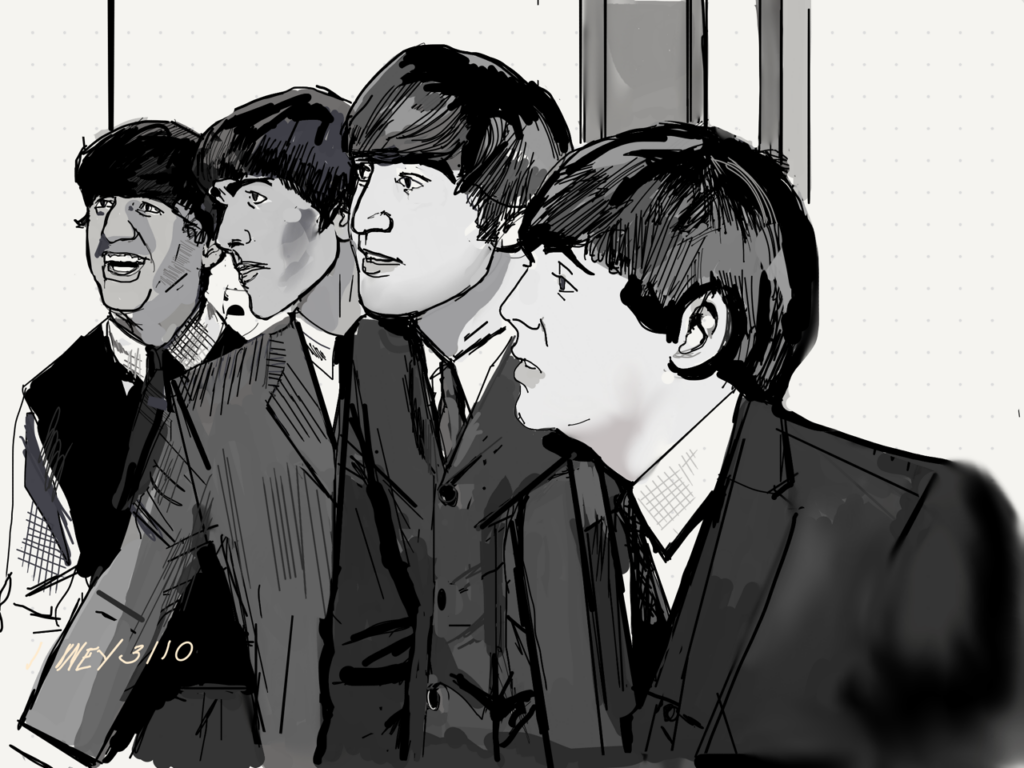
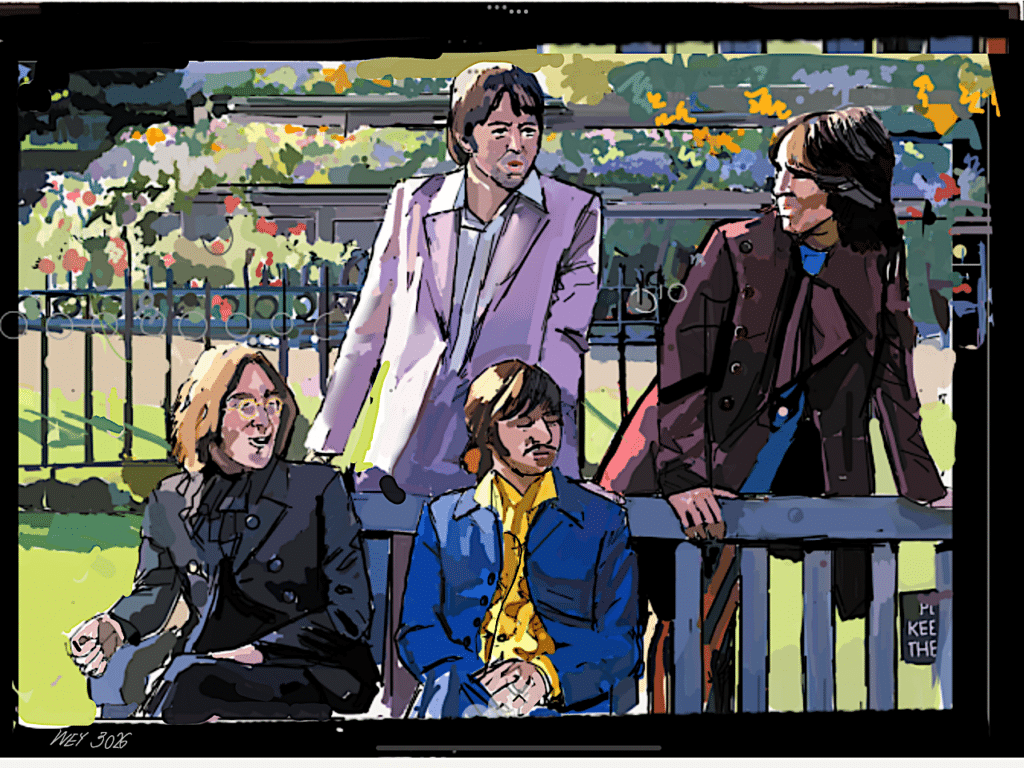
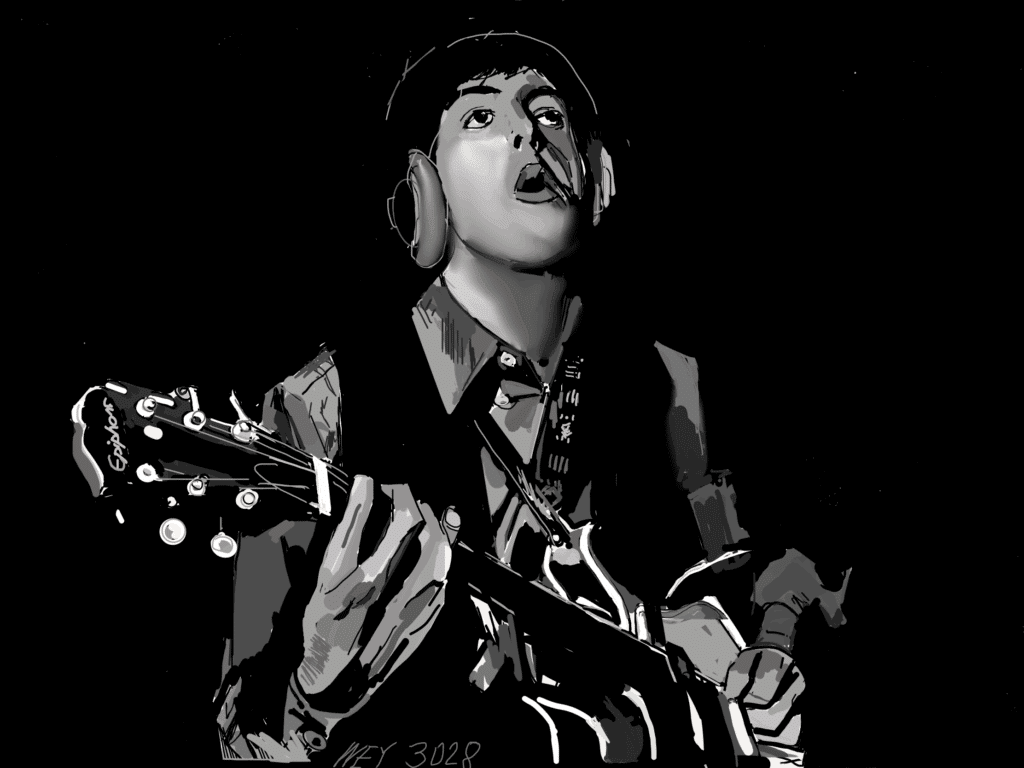
Thirty years after the first Anthology collection was released, several years after the Special Deluxe Edition (SDEs) series commemorating individual albums became a thing, and on the eve of an unexpected 4th Anthology series installment, we take stock. Are The Beatles (or Apple or otherwise those overseeing these re-packages) doing as good a job as they can be? There are plenty voices in the world of Beatle “authorities” that insist that we should be grateful for anything we are given – they don’t owe us anything. But at SATB, we take a different position: no one is above criticism and that once upon a time, The Beatles were simultaneously the cutting edge and the gold standard in what they produced. Those days are long gone and we now find ourselves in a world where many an artist with a fraction of their following is showing how it’s done.  So in the name of hashing this out, I invited a couple of returning guests who are the world authorities on what exists in the vaults, on tape: Beatles scholars Doug Sulpy and Chip Madinger. Between the two of them, they have been going deep for years on the contents of the proverbial Beatle (and solo) vaults and are therefore in position to not only suggest where things could be done better but what kind of material is sitting around, awaiting the day the official curators deem it time to go public with these treasures. Hopefully, some of us are still around.  You can find Dougs writings (books like Drugs, Divorce and a Slipping Image and informational newsletters) at dougsulpy.com  Chip Madinger’s works (which include Eight Arms To Hold You and Lennonology: Strange Days Indeed – A Scrapbook of Madness) can be found at lennonology.com 

313: The Iveys with Ron Griffiths

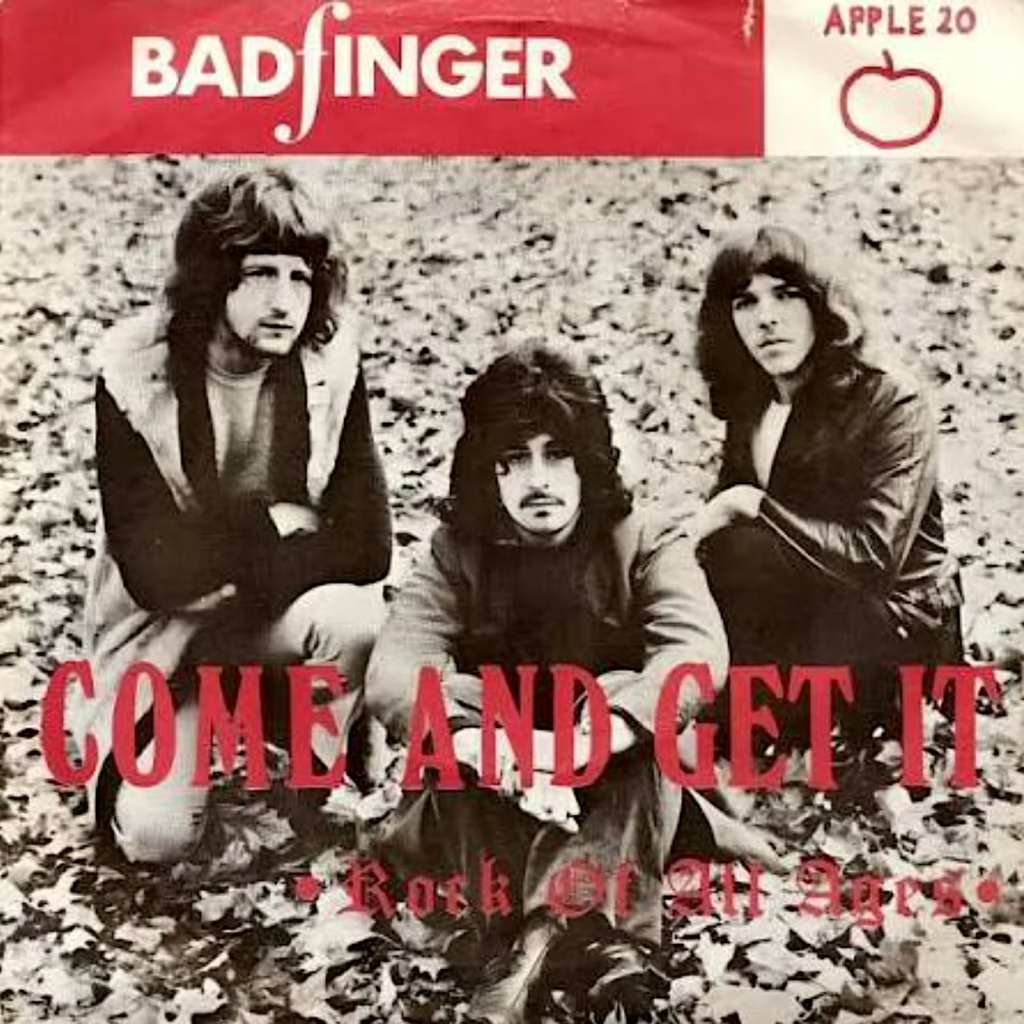
The story of Badfinger is bookended with The Iveys as prequel and the Head First album on the other end, months before the tragic suicide of Pete Ham. We explored the latter with Bob Jackson earlier this year but this time it’s the pre-history we examine, with Ron Griffiths, bassist and vocalist. He was recruited by Pete Ham and in turn was responsible for the addition of drummer Mike Gibbins. Tom Evans joined in 1967 and within a year, they were signed to Apple.  Ron was there as a witness to the band’s development, and interactions with Ray Davies of The Kinks, Jimi Hendrix, and The Beatles’ Mal Evans, who led them to the start-up label. It was directly because of Ron that Paul offered them “Come and Get It” as what became the first Badfinger single and a worldwide smash, but Griffiths did not make the transition to Badfinger. He remains a lucid witness to their history even after being sidelined, and his connections remain to the present day and performances with Bob Jackson and the current Iveys reissue program. Tune in and hear his unique perspective on the triumphs and tragedies of this mightily talented band.  Read the Disc article that led Paul McCartney to offer “Come and Get It” after reading what Ron had to say here.   The Iveys PR from Apple. Episode playlist: https://youtube.com/playlist?list=PLWJwXBl8_fsfzV0dB-9cLPbUZC9_Js0rD&si=Oh_KxNaVUZJn5qK9

312: Contentious Credits 2 – This Time It’s Personal

Back in May 2025, two hardcore Beatle historians haling from down under came on the show for an analysis of the conventional wisdom regarding Beatles instrumental credits and how, in certain instances, it was found to be lacking.  They’re back again, and this time we examine:  “Long Tall Sally”  “I Don’t Want To Spoil The Party” “Michelle” “We Can Work It Out”“Paperback Writer”/”Rain”“Sgt. Pepper (reprise)” “Piggies” “Don’t Pass Me By”  “Not Guilty”  Marcus Phelan and Andrew Shakespeare have been studying the recordings for decades, as fans and as musicians themselves. The sources critiqued include:  Ian McDonald’s Revolution in the Head Mark Lewisohn’s The Beatles Recording Sessions Kevin Howlett’s liner notes to The Beatles special deluxe editions The public pronouncements of Giles Martin 
311: Dear Beatle People with Sara Schmidt and Allison Bumsted 

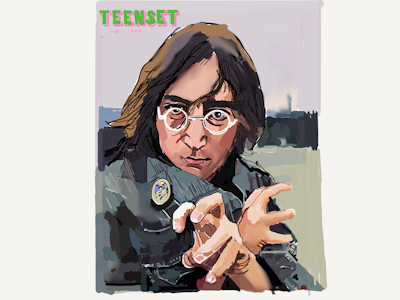
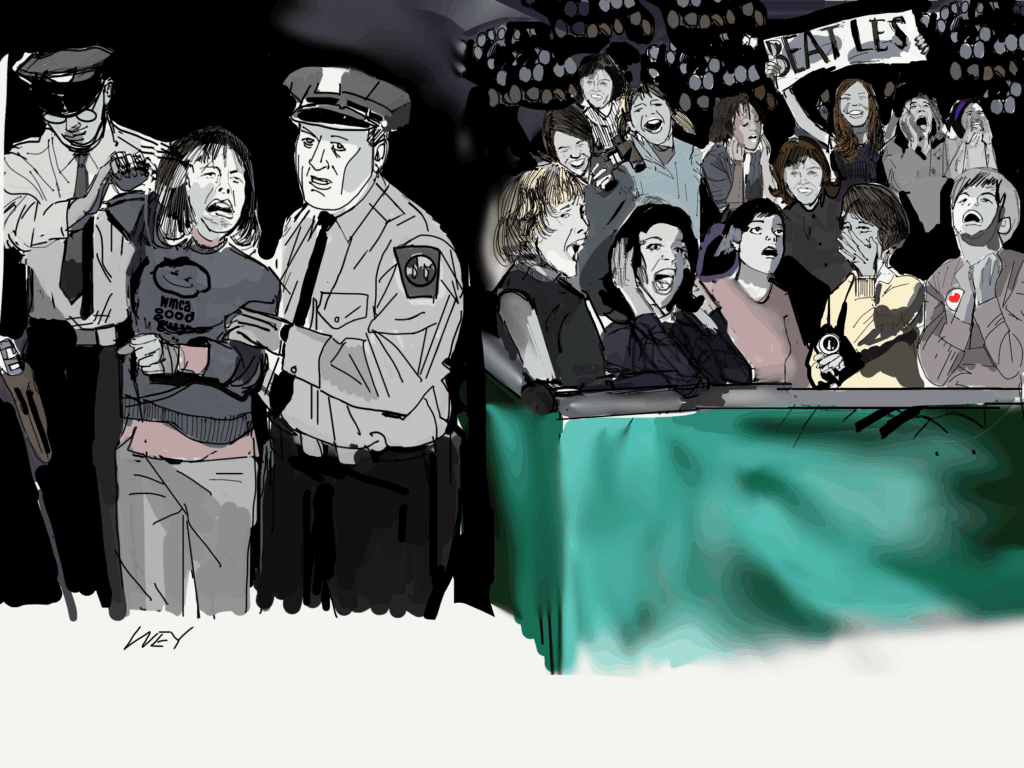
Most Beatles fans are generally familiar with the story of their UK fan club, managed by Freda Kelly and depicted throughout the 2013 documentary, Good Ol’ Freda. But the story of their North American fan clubs is, if anything, even more fascinating: their set-up was treated nearly as an afterthought upon the group’s 1964 arrival here, and as they fumbled their way forward, hundreds of unofficial Beatles fan clubs sprang up, many of them doing a far better job of creating community and supporting the band than the official one did. (And then there were the sub-groups set up to police the other fans and protect The Beatles from their out-of-control fervor.) Beatles historian Sara Schmidt has chronicled this heretofore untold history in her book, Dear Beatle People: The Story of The Beatles North American Fan Club. Rich with tons of ephemera, photos and correspondence, Sara brings to life the immediacy of ’60s American fandom and the unsuspected drama that went along with it. She spoke with hundreds of 1st-gen fans, collecting and preserving their stories of encounters with The Beatles, as well as the stories around the regional clubs around the country that weren’t just limited to “Beatles.” (There were, for instance, associated clubs for Beatle wives, actor Victor Spinetti, and a Beatle sister.)  Beatles fandom is an area of study only recently starting to get its due as an illuminating aspect of the phenomena. Joining Sara and I for the talk is rock scholar Allison Bumsted (TeenSet, Teen Fan Magazines and Rock Journalism) as we discuss the history of American Beatles fans in their efforts to put their devotion to purpose. Be sure to also check out Sara’s Beatle photo blog, https://www.meetthebeatlesforreal.com/

310: The Beatles’ Legacy with Sean Murphy

Why are we still talking about these guys? Does a band that stopped recording together over half a century ago have any relevance in the 21st century? Have we reached the bottom of the barrel yet in terms of exploring every aspect of their story? If you answered yes and no respectively to the last two questions, press on, because in this conversation with author Sean Murphy, we dive into the continued appeal and inspiration that The Beatles gave us, as potent in 2025 as it was in the ’60s. Check out Sean’s work here:  Twitter & Insta = bullmurph  FB = ⁠  / authorseanmurphy  ⁠  LinkedIn = ⁠  / sean-murphy-4986b41  ⁠  Substack = seanmurphy.live / ⁠https://murphlaw.substack.com Check out MY talk on HIS show here:https://murphlaw.substack.com/p/season-4-ep-6-robert-rodriguez-the Sean’s online Beatle writings: 

309: Some Fun Tonight with Chuck Gunderson 

We are now sixty years on from the crest of The Beatles’ touring years, if you figure the August 15, 1965 Shea Stadium show that kicked off their second North American tour as “the top of the mountain,” as John Lennon once did.  Therefore, who better to talk about those three intense years and shows than Chuck Gunderson, author of Some Fun Tonight: The Backstage Story of How The Beatles Rocked America? It was published in 2014 in two slipcased volumes, richly illustrated with many never-before-seen photos of The Fabs onstage, as well as behind the scenes and of period ephemera. Chuck is the expert on those shows, and in this conversation – taped live in front of an audience at the 2025 Rosemont Fest For Beatles Fans – we convened to discuss Shea, Margies Candies, the Chicago mob, segregation, and how Brian handled the demands of sailing into uncharted waters.  Check out the book here: https://www.somefuntonight.com/

308: The Politics of Beatles with Candy Leonard. 

In 2014, sociologist Candy Leonard published Beatleness: How the Beatles and Their Fans Remade The World. It was a groundbreaking work, representing a serious exploration into the phenomenon of fandom and the reciprocal relationship between artist and audience, and the impact that all of it had on lives – and the world – that reverberates ever onward even today, sixty years on.  Candy has twice been a guest on the show (155: 1968 and 180: “…I buried Paul…”) but for this conversation, we focused on the politics of Beatles: not their personal convictions per se but what they meant fresh out of the gate – what they represented and how they were received by fans and the establishment alike.    In this talk, we covered hair (as a statement) – drugs – evolution – One to One – Beatles ’64 – feminism – Taylor Swift – The Monkees.   Check out Candy’s site for her essays and more (https://www.candyleonard.com/beatleness ). 

307: Borrowed Time with Alan G. Parker

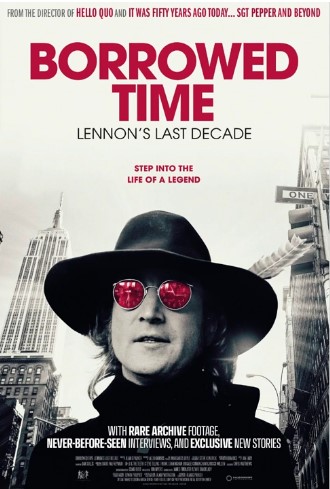
Director Alan G. Parker’s newest film is a personal expression of gratitude toward John Lennon for being a figure that helped him through some difficult years when he was growing up. Borrowed Time: Lennon’s Last Decade includes interviews with dozens of figures who knew him; everyone from Aunt Mimi (archival footage) to journalists like Ray Connolly, Chris Charlesworth, and Anthony DeCurtis, plus writers like Philip Norman and Ken Womack and other figures of influence, like Tariq Ali. The result is an impressionistic portrait of John’s post-Beatles years, tapping the creativity that comes from working without official sanction. Parker’s other work includes 2017’s It Was Fifty Years Ago Today on Sgt. Pepper, plus other films and books covering punk acts including The Clash and the Sex Pistols.     

306: Beatles Olympiad – Glyn Johns’ Get Back with Gary Wenstrup

In late May 1969, producer Glyn Johns turned in a draft album, culled from hours of tape recorded in January 1969 during the Get Back/Let It Be sessions. His work reflected the original concept: catching The Beatles as they really were in the studio, with off-the-cuff performances of oldies, warm-ups, false starts and blown takes. It would have made for a fine tie-in with the original cut of the Let It Be film, but ultimately, the group rejected the idea, instead moving back to their established productions values, with Abbey Road being the result. The tapes, handed off to Phil Spector, emerged in May 1970 with a new tie-in: the group’s break-up. Let It Be, the album, drew the worst reviews of their career, being a neither fish-nor-fowl collection of tunes bearing Spector’s worst impulses (choirs and lush orchestration) alongside vestiges of the original concept (studio chat and tossed off improvisations). In this episode, Robert and Olympiad partner Gary Wenstrup re-imagine the group’s history – what if Get Back HAD been accepted and released in spring 1969, the missing link between the “White Album” and Abbey Road?   You can read Glyn’s account of things here and hear the actual work here. The artwork is here and the track listing here. 

Newsletter #30 June 2, 2025

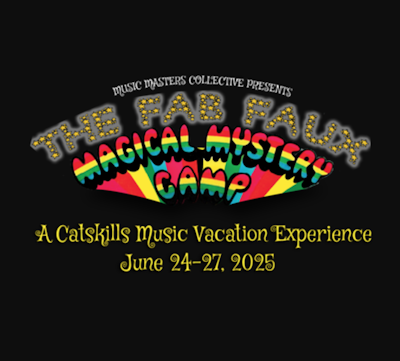
Hello all and welcome to June! First off, a lot has gone on behind the scenes this past week: for upcoming shows and the general SATB infrastructure, which I don’t want to get too far ahead of myself in discussing publicly, except to say some good things are coming from unexpected places. Stay tuned once they assume concrete form. RE the website, revisions should be done in the next couple/few days. I have a new tech at work, modifying the SATB site a bit with the goal of eliminating all the issues previously plaguing it, so just a little more patience please. Once ready, there should only ever need to be a single sign-in, and that’s to access the past newsletters (this will be fully updated) and nothing else. This wouldn’t be a SATB newsletter without the Grim Reaper making an appearance. As all of you doubtless know by now, Rick Derringer (The McCoys, Edgar Winter Group, solo and All-Starr) passed away at 77. Perhaps best known in the US for the hits “Hang On Sloopy” (1965) and “Rock and Roll, Hoochie Koo” (1973), the obvious Beatle connection is his membership in Ringo’s touring outfit circa 2010-2011 (where he played both of those hits), alongside former bandmate Edgar Winter; here’s some rehearsal footage. Rick was interviewed about his career here. The lesser-known Beatle connection is to George’s 1957 Gibson Les Paul. This is the guitar gifted to George by Eric Clapton in August 1968; you can see it used in “Revolution” promo, or perhaps even more memorably, in the Get Back film, where it took a tumble during a rehearsal of a tune sailors might call a “Jonah.” Because of its unusual (for a Les Paul) cherry red finish, George dubbed the guitar “Lucy,” as in Ball. Come to find out, among its earlier owners was John Sebastion of the Lovin’ Spoonful, who gifted it to – Rick Derringer. It had originally come in a gold finish, and was, by the time it reached Rick, the worse for wear, so he brought it to a Gibson shop in Kalamazoo, asking that it be painted in a finish matching their popular SG model. But he didn’t care much for it after the work was done, and he traded it for a sunburst Les Paul at Dan Armstrong’s Guitars in Greenwich Village. There, Clapton bought it days later and kept it as a back-up before presenting it to George. For most guitars, that would have been plenty, but Lucy wasn’t through yet: she was stolen from George’s LA digs in 1973 and essentially held for ransom: read about that here. Less reported than the death of Derringer was the passing of Klaatu’s Terry Draper. To many people reading this, the name of that band will mean nothing, but for a time in the 70s, it rivaled “Paul is dead” for the biggest Beatles rumor circulating, likewise spawning loads of clues pointing to the inscrutable Canadian band’s debut actually being a secret Beatles reunion album (on Capitol yet) upon its August 1976 release. Most anything you’d want to know about the story can be found here (or by picking up a copy of this fab book). Here’s a sample from the album – judge for yourself whether or not it’s The Beatles or an incredible simulation. Outside the imagined fab ties, perhaps what they are best remembered for was a tune on that first album that was later picked up by The Carpenters (their penultimate top 40 single). Here’s the late Mr. Draper giving his take on the song. To go back to the living: first, we are a month out from the most fabulous Magical Mystery Camp, held in the Catskills. I’ve mentioned these four days of fun, music, interactive lessons and jamming previously, plus the guests ranging from Peter Asher to myself (check the link for the full rundown). The new news is the addition of Wings guitarist Laurence Juber to the proceedings. It’ll be a blast, amidst a scenic outdoor setting with all the attractions a lake-and-mountain-and-forest setting can offer. Author/artist/cartoonist Carol Tyler is having a big year. You know her on SATB from several shows (and this video), as well as from her books, which include Fab4Mania (sample here). Carol – with her husband Justin Green – was the subject of this amazing documentary. Anyway, she passed this along to me to share. Just thought I’d pass along some news about my big show and a book coming out. First the show. Yes, I have lived long enough to have been given a retrospective of my comics career at the prestigious Billy Ireland Cartoon Library and Museum. It’s called “Write it Down, Draw it Out.” You can go to this link and find out more, including directions to the Billy Ireland and their hours. https://www.facebook.com/TheBillyIrelandCartoonLibraryAndMuseum Today a terrific article came out in the Columbus paper about the exhibit. Read all about it here: https://matternews.org/culture/art/comics-artist-carol-tyler-still-feels-compelled-to-tell-her-story/?fbclid=IwY2xjawKkfNxleHRuA2FlbQIxMQBicmlkETFKTVQxbjRpV1JsS3BEVzkwAR5wH_ZTEK6zWwTv6rpVvQm5I4Id9u7q_1S3bG0Xsua89k5FcQu7tt6mvT-zGw_aem_SGm5pUFjCBiIFbRMQyFy5g So please plan on coming to see the exhibit sometime this summer or fall. You will be thrilled. It’s up until November 9. My book comes out in September. ‘The Ephemerata: Shaping the Exquisite Nature of Grief’ will make its debut at Cartoon Crossroads Columbus, aka CXC. Hope to see you there, but if you cannot make it and still want to get a book you can pre-order using the huge barcode the lovelies at Fantagraphics have provided below. A few episodes back, Allison Bumsted was on, presenting a conversation about teen fan mags of the 60s, very Beatles-specific ones as part of her groundbreaking research into the subject. We mentioned a major article she had in the works and now it has arrived. (You can download it here.) ^ This fab artwork ^ (drawn from Ms. B’s collection) provides terrific visual accompaniment. Can’t wait for the doc… I’d recently mentioned the Chris O’Dell documentary here (I think you know what it’s called…) I just caught it on Prime, and yes, we will be

Privacy Overview

This website uses cookies so that we can provide you with the best user experience possible. Cookie information is stored in your browser and performs functions such as recognising you when you return to our website and helping our team to understand which sections of the website you find most interesting and useful.